
Bedroom Interior Design Ideas for a Comfortable and Relaxing Space
Introduction
A bedroom is more than a place to sleep. It is a personal space where you relax, recharge, read, and spend time away from the demands of daily life. A thoughtful bedroom interior design can make this space more comfortable, organized, and visually appealing.Bedroom Interior Design Ideas for a Comfortable and Relaxing Space
From the bed and wardrobe to wall colors, curtains, lighting, and decorative accessories, every element contributes to the atmosphere of the room.
Whether you are Designing a master bedroom, a guest bedroom, or a compact bedroom in an apartment, the right design can improve both comfort and functionality.
1. Choose a Suitable Bedroom Layout
A good Bedroom layout allows easy movement and keeps essential items within reach.
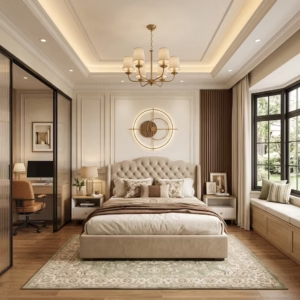
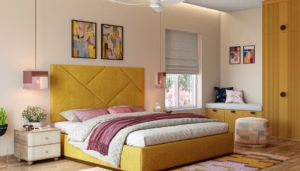
Start by deciding where the bed should be positioned. Consider the locations of windows, doors, wardrobes, electrical outlets, and other furniture.
Avoid placing large pieces Bedroom Interior Design Ideas for a Comfortable and Relaxing Spaceof furniture where they obstruct access or make the room difficult to navigate.
In smaller bedrooms, select furniture according to the available floor space. In larger bedrooms, you may be able to include a reading chair, dressing table, or compact workspace.
Planning the layout before purchasing furniture helps prevent overcrowding.
2. Select the Right Bed and Headboard
The bed is usually the main focal point of a bedroom. Its size, style, and position influence the appearance of the entire room.
Choose a bed that suits the room dimensions and provides comfortable access around it. King-size beds may suit larger bedrooms, while queen-size or smaller beds may be more practical for compact spaces.
An upholstered headboard can introduce softness, while a wooden headboard may complement a natural or contemporary design.
Beds with built-in drawers can also provide useful storage for extra bedding and seasonal clothing.
3. Choose Calming Bedroom Colors
Color can influence the atmosphere of a bedroom. Soft beige, cream, muted green, light blue, and warm grey are common choices for creating a calm appearance.
You can use a neutral Bedroom Interior Design Ideas for a Comfortable and Relaxing Spacebase and introduce contrast through cushions, artwork, rugs, or a feature wall.
Dark colors may also work well when balanced with appropriate lighting and lighter elements.
Before selecting paint, consider the amount of daylight, room size, flooring, and furniture finishes.
The best bedroom color scheme is one that suits your preferences and feels comfortable over time.
4. Plan Comfortable Bedroom Lighting
Bedroom lighting should support different activities, including relaxing, reading, dressing, and moving safely around the room.
A ceiling light provides general illumination, while bedside lamps can create a softer atmosphere.
Wall lights may save space on bedside tables, and suitable task lighting can improve visibility around dressing areas.
Use lighting controls that allow you to adjust brightness when possible.
Consider bulb color temperature, glare, and fixture placement to create a comfortable environment.
5. Design Practical Wardrobe Storage
A well-designed wardrobe helps keep the bedroom organized and reduces clutter.
Before planning the wardrobe, assess how much space you need for hanging clothes, folded garments, footwear, accessories, and other personal items.Bedroom Interior Design Ideas for a Comfortable and Relaxing Space
Sliding doors may be useful in rooms where there is limited clearance for traditional hinged doors.
Internal drawers, shelves, and hanging sections can help make storage more efficient.
Choose wardrobe materials and finishes that complement the bedroom and are suitable for everyday use.
6. Select Curtains and Bedding Carefully
Curtains and bedding can Bedroom Interior Design Ideas for a Comfortable and Relaxing Space change the appearance of a bedroom without requiring a major renovation.
Choose curtains according to your privacy requirements, available daylight, and preference for light control.
Blackout curtains may be useful for people who prefer a darker sleeping environment.
Bedding should feel comfortable and be easy to maintain. Coordinated colors can create a balanced appearance, while different textures introduce visual interest.
You can refresh the bedroom by changing cushion covers or bedding rather than replacing all the furniture.
7. Make Small Bedrooms Feel Spacious
Small bedrooms benefit from careful space planning.
Use appropriately sized furniture, wall-mounted shelves, and beds with storage where suitable. Keep walkways clear and avoid unnecessary decorative items.
Mirrors may help create a sense of depth when positioned thoughtfully.
Light colors and effective lighting can also make a room feel brighter.
Instead of filling every corner, leave some open space so that the bedroom remains comfortable to use.
8. Create a Functional Master Bedroom
A master bedroom may need to accommodate several activities beyond sleeping.
Depending on the available space, it may include a dressing area, reading corner, television, or workspace.
Create separate zones where possible while maintaining a consistent design style.
Choose furniture that supports your routine rather than adding items simply because the room is large.
Storage, privacy, lighting, and easy movement should remain priorities.
9. Add Personal Decorations
Artwork, family photographs, plants, and decorative accessories can make a bedroom feel personal.
Choose items that reflect your interests and complement the room’s color palette.
Avoid placing too many objects on bedside tables or other surfaces, as excessive clutter can make the room harder to maintain.
If you include indoor plants, choose varieties that suit the available light and your maintenance preferences.
10. Choose Bedroom Materials That Last
Bedroom furniture, flooring, paint, and fabrics should be selected with durability and maintenance in mind.
Compare product quality, care requirements, and costs before making decisions.
For example, flooring should feel comfortable underfoot and suit the room’s cleaning needs. Wardrobe finishes should be appropriate for the surrounding environment.
A professional designer can help coordinate materials and create a consistent appearance across the bedroom.
Conclusion
Bedroom interior design combines comfort, storage, lighting, and personal style to create a relaxing environment.
A suitable bed, calming color palette, practical wardrobe, layered lighting, and thoughtfully selected accessories can make a significant difference.
Start by understanding your needs and measuring the room. Then select furniture and finishes that suit your budget and lifestyle.
A well-designed bedroom should not only look beautiful but also support a comfortable and restful daily routine.