
Modern Interior Design Ideas for Small Homes and Apartments
Modern living often means making the most of limited space. Many people live in small apartments or compact houses where every square foot matters. However, a small home does not have to feel crowded or unattractive. With thoughtful planning and creative interior design, even a compact space can become comfortable, stylish, and functional.
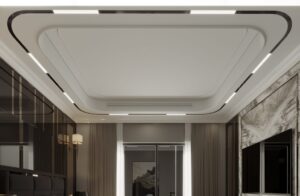
Modern interior design focuses on simplicity, practicality, clean lines, and efficient use of space. It combines attractive furniture, suitable colors, smart storage, and effective lighting to create a balanced environment.
In this blog, we will explore practical modern interior design ideas that can help you make your small home feel more spacious and organized.
1. Choose a Simple and Modern Color Palette
Color is one of the easiest ways to influence the appearance of a room. Light colors such as white, cream, beige, and soft grey can help a small room feel brighter and more open, especially when natural light is available.
You can use a neutral color as the main background and introduce personality through cushions, artwork, curtains, or decorative accessories.
For example, a living room with cream walls, a light-colored sofa, and wooden furniture can look modern without requiring complicated decoration.
However, dark colors are not completely unsuitable for small spaces. When used carefully on an accent wall or selected furniture, they can create depth and contrast.
2. Invest in Multifunctional Furniture
Multifunctional furniture is especially useful in small apartments because it serves more than one purpose.
Consider a sofa bed for a living room that occasionally becomes a guest bedroom. A bed with storage drawers can help keep clothes and bedding organized. A foldable dining table can provide extra floor space when it is not being used.
Wall-mounted desks and nesting tables are also practical choices for compact homes.
Before purchasing furniture, measure the available space and check whether the item allows comfortable movement around the room.
3. Use Vertical Space for Storage
When floor space is limited, look upward. Vertical storage allows you to use wall space instead of filling the room with additional cabinets.
Floating shelves, tall wardrobes, wall-mounted organizers, and built-in storage can help keep everyday items accessible.
In a small bedroom, a wardrobe that extends upward may offer more storage than a wide, low cabinet. In a living room, floating shelves can display books, plants, and photographs without taking up much floor space.
Keep frequently used items within easy reach and store less frequently used belongings on higher shelves.
4. Make the Most of Natural Light
Natural light can make a home feel more welcoming. Large windows, light curtains, and uncluttered window areas help daylight travel through a room.
Mirrors can also reflect available light and create a sense of depth. Positioning a mirror opposite or beside a window may help brighten the surrounding space, depending on the room layout.
Avoid placing bulky furniture where it blocks important sources of daylight.
For rooms with limited natural light, combine general lighting with task lights and lamps. Warm or neutral lighting can make a space comfortable while providing enough visibility for daily activities.
5. Design an Organized Living Room
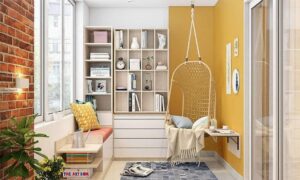
The living room is often one of the most frequently used areas in a home. It may serve as a place for relaxing, entertaining guests, watching television, or spending time with family.
Start by identifying the main purpose of the room. Arrange the sofa, chairs, and television around the activities that matter most to you.
Avoid filling every empty corner with furniture. Leaving some open space can make movement easier and help the room feel less crowded.
Choose a rug that suits the seating arrangement and use a few coordinated decorative pieces rather than too many accessories.
6. Create a Functional Small Kitchen
A well-planned kitchen improves convenience and reduces unnecessary movement.
Keep frequently used cooking items close to the preparation area. Use drawer organizers, wall-mounted racks, and vertical cabinets to make storage more efficient.
Light-colored cabinets can create a bright appearance, while durable countertops make cleaning easier. Under-cabinet lighting may also improve visibility while preparing food.
The kitchen layout should prioritize safety, ventilation, cleaning, and comfortable access to appliances.
7. Make a Small Bedroom Feel Comfortable
A bedroom should support rest and relaxation. Choose a bed that fits the room and leaves enough space for convenient movement.
Use bedside shelves or compact tables when traditional bedside cabinets take up too much room. Under-bed storage can be helpful for seasonal clothing or extra bedding.
Soft fabrics, suitable curtains, and layered lighting can create a peaceful atmosphere. Avoid excessive decorations that collect dust or make the room feel busy.
If your bedroom also functions as a workspace, create a clearly defined desk area to separate work from relaxation.
8. Add Plants and Personal Decorations
Plants, photographs, artwork, and decorative objects can make a small home feel personal.
Choose plants according to available sunlight and your ability to care for them. A few carefully placed plants may be more effective than filling every surface with greenery.
Family photographs, travel souvenirs, and handmade decorations can give your home character without requiring expensive accessories.
The key is to select items that complement the overall design.
9. Plan Your Budget Before Renovation
Interior design costs can increase when homeowners make decisions without a clear plan.
Prepare a list of essential improvements and divide your budget into categories such as furniture, lighting, storage, painting, and installation.
Compare quotations, check material quality, and keep some money available for unexpected expenses.
If your budget is limited, prioritize functionality and durability before purchasing decorative items. You can always upgrade accessories later.
10. Avoid Common Small-Home Design Mistakes
Buying oversized furniture, blocking windows, using too many contrasting colors, and ignoring storage requirements can reduce the effectiveness of a design.
Another common mistake is following trends without considering personal needs. A fashionable design may not be suitable if it makes daily activities inconvenient.
Always measure rooms, plan furniture placement, and consider how each space will be used before making major purchases.
Conclusion
Modern interior design can make small homes and apartments more comfortable, practical, and attractive. Light colors, multifunctional furniture, vertical storage, effective lighting, and carefully selected decorations can help you make better use of limited space.
You do not need a large house or an unlimited budget to create a beautiful home. You need a clear plan, thoughtful decisions, and design choices that suit your lifestyle.
Start with one room, identify what is not working, and introduce improvements that make your home more functional every day.